Source Lead Free Minimalist Cocktail Glasses for Bars
Find lead free minimalist cocktail glasses from 30 verified listings. Compare specifications like 230ml to 1000ml capacities, lead-free glass materials, and minimalist designs suitable for bars, parties, and weddings; compare the available evidence and request quotations based on your requirements.
Key considerations
Products List







Comprehensive Sourcing Guide
Lead Free Minimalist Cocktail Glasses Sourcing Guide
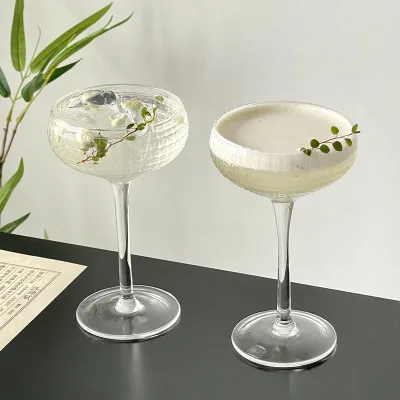
Procurement teams must first distinguish between the specific minimalist aesthetic and the functional requirements of lead-free glass when evaluating listings. The observed market data indicates a strong presence of products labeled as "Minimalist" or "Modern simplicity" that utilize lead-free glass materials, yet some listings also describe "New Classical" or "Post-modern" styles which may conflict with a strict minimalist brief. Buyers should carefully cross-reference the visual style claims with the material specifications to ensure the final product aligns with the intended design language for their venue or retail line.
A critical initial step involves verifying the exact capacity and intended use, as the supply base offers a wide variance from 230ml cocktail glasses to 500ml wine goblets. While some suppliers explicitly state the product is for "Wine, juice, cocktail," others list specific uses like "Whisky" or "Champagne," which may require different structural integrity or rim profiles. Sourcing managers must confirm that the selected item matches the specific beverage service requirements, ensuring the glass type supports the intended liquid volume without compromising the minimalist silhouette or safety standards.
Product Scope and Observed Listing Signals
The current market signals reveal a diverse range of product attributes, including specific model numbers like B22-63 and xh-tz, which often accompany distinct capacity and design features. Buyers should note that while some listings emphasize "Sustainable" and "Durable" features, others highlight specific occasions such as "Back to School" or "Party," suggesting that the same glassware may be marketed for vastly different consumer segments. It is essential to filter these signals to identify items that genuinely fit the "lead free minimalist cocktail glasses" criteria rather than accepting broad categorizations that might include ornate or non-minimalist designs.
Supply chain observations indicate that single package dimensions vary significantly, with some units measuring 7.6 x 4.3 x 7.6 inches while others are listed as 11x19x19 cm, directly impacting logistics and storage planning. The presence of "Customize 1, Customize 2" color options alongside standard "Transparent Clear" finishes suggests a high degree of flexibility in the supply chain, yet this variability requires strict definition in the purchase order to avoid receiving non-standard items. Procurement teams must clearly define the acceptable range of customization to maintain brand consistency across the minimalist product line.
Technical Specifications to Verify
Technical verification must begin with the material composition, specifically confirming the "lead free" status through supplier documentation rather than relying solely on product titles. The observed listings consistently mention "lead free glass" or "lead free" material, but buyers should request specific test reports or material safety data sheets to validate that the glass meets international safety thresholds for heavy metals. This verification is non-negotiable for products intended for food and beverage service, as the absence of lead is a primary health and safety requirement for modern glassware procurement.
Capacity and dimensional accuracy are equally critical, as the data shows capacities ranging from 230ml to 1000ml with varying single gross weights. Buyers must verify that the stated capacity, such as 230ml or 400ml, aligns with the physical dimensions provided, such as the 11x19x19 cm package size, to ensure the glass fits standard bar equipment and storage racks. Additionally, the stem length, described as "Short" in some listings, must be confirmed to ensure stability and ergonomic suitability for the intended service environment, preventing tipping or handling issues during use.
Compliance and Safety Documentation
Compliance verification requires a rigorous review of the supplier's ability to provide documentation proving the lead-free nature of the glass, as this is a fundamental safety attribute for food-contact materials. While the listings mention "lead free" as a material attribute, buyers must ensure that the supplier can produce certificates of analysis or compliance statements that reference relevant international standards for glassware safety. Without this documentation, the risk of non-compliance with local food safety regulations increases significantly, potentially leading to product recalls or legal liabilities for the importer.
Beyond material safety, buyers should assess the supplier's adherence to general quality management systems and their capacity to handle specific testing requirements for thermal shock or durability. Some product attributes mention the ability to "Withstand High Temperatures," which implies a need for thermal resistance testing to ensure the glass does not crack under normal washing or serving conditions. Procurement teams should request evidence of these performance claims, such as internal test results or third-party certification, to validate that the glassware will perform reliably in a commercial setting without premature failure.
Cost Drivers and Commercial Terms
Cost structures in this category are heavily influenced by the minimum order quantity (MOQ) and the complexity of the design, with observed MOQs ranging from 10 to 3000 pieces. Buyers must balance the desire for lower unit costs against the need for inventory flexibility, as higher MOQs often correlate with better pricing but increase the financial risk of holding stock. The presence of "Support Sample" options allows for cost-effective quality verification before committing to large orders, enabling buyers to assess the true value and quality of the lead-free glass before finalizing commercial terms.
Pricing variability is also driven by customization levels, with some listings offering "Customize 1, Customize 2" color options while others provide standard transparent finishes. The cost of customizing the glass color or adding specific branding elements can significantly alter the unit price, requiring a detailed cost-benefit analysis to determine if the customization adds sufficient value to the brand. Additionally, the origin of the product, noted as Shanxi or Shandong, China, may influence shipping costs and lead times, which should be factored into the total landed cost calculation alongside the base unit price.
Supplier Qualification and Quality Control
Supplier qualification should prioritize manufacturers with a proven track record in producing lead-free glassware, as evidenced by their specific product descriptions and material claims. The observed data includes brands like "Aikeyi" and "XinSen," which suggests a competitive market with multiple potential partners, yet buyers must verify the production capabilities of each to ensure they can consistently meet the "Minimalist" style and "lead free" material requirements. A robust supplier qualification process involves auditing their production lines to confirm that the lead-free glass is sourced and manufactured under controlled conditions.
Quality control protocols must be established to address the variance in product attributes, such as the different model numbers and capacity specifications observed in the market. Buyers should implement a clear inspection plan that includes checking for defects in the glass clarity, ensuring the "Transparent Clear" finish is uniform, and verifying that the "Short" stem or other structural elements meet the design specifications. Regular quality audits and pre-shipment inspections are essential to prevent the receipt of substandard goods that do not align with the minimalist aesthetic or safety standards required for the final product.
Long-Term Procurement Checks
Long-term procurement success depends on establishing a stable supply chain that can consistently deliver lead-free minimalist glasses without compromising on quality or design integrity. Buyers should monitor the supplier's ability to maintain the "Sustainable" and "Durable" attributes over time, as these claims must be backed by consistent performance in real-world usage scenarios. Regular reviews of supplier performance, including their adherence to lead-free standards and their ability to meet delivery schedules, are crucial for maintaining a reliable supply of high-quality glassware.
Continuous market monitoring is necessary to track changes in material costs, regulatory requirements, and design trends that could impact the sourcing strategy. As the market evolves, buyers must remain vigilant about new certifications or standards that may emerge regarding lead-free glassware, ensuring that their procurement practices remain compliant and competitive. By maintaining a proactive approach to supplier relationships and market analysis, organizations can secure a steady supply of premium glassware that meets the evolving needs of their customers and regulatory bodies.
FAQs
What is the typical capacity of minimalist lead-free cocktail glasses?
The typical capacity ranges from 230ml to 500ml depending on the specific model. Some minimalist designs offer 230ml volumes suitable for standard cocktails, while others provide 400ml or 490ml options. Buyers should verify the exact milliliter capacity for their intended beverage volume to ensure proper serving size and aesthetic balance.
Can I request custom colors for these lead-free glassware items?
Yes, many suppliers support customization for color options. While transparent clear is the standard minimalist finish, buyers can often select from multiple custom color choices. This allows for brand alignment or event-specific themes. Confirm the available custom color palette and any associated minimum order quantities with the manufacturer before finalizing the design.
What is the minimum order quantity for these minimalist glasses?
The minimum order quantity typically starts at 1000 pieces for standard minimalist lead-free cocktail glasses. Some suppliers may accept lower MOQs of 10 to 3000 pieces depending on stock availability. Buyers should check specific supplier listings for exact MOQ requirements, as bulk orders often yield better pricing and production efficiency.
Are these cocktail glasses made from lead-free glass material?
Yes, the product specifications confirm the use of lead-free glass material. This ensures safety for serving wine, juice, and cocktails without harmful chemical leaching. The glass is also described as durable and sustainable, making it suitable for both commercial hospitality use and residential settings while meeting health and safety standards.
Where are these minimalist cocktail glasses manufactured?
These glasses are manufactured in China, with specific origins noted in Shanxi and Shandong provinces. Buyers can select suppliers based on regional preferences or logistics advantages. The production location influences shipping costs and lead times, so verifying the exact place of origin is essential for accurate supply chain planning and cost estimation.
Do these glasses support sample orders before bulk production?
Yes, suppliers generally support sample orders to verify quality and design. Buyers can request samples to check the minimalist style, glass clarity, and durability before committing to large volumes. Sample availability helps mitigate risk and ensures the final product meets specific aesthetic and functional requirements for the intended market or event.